
"moisture content"
1000 article(s) found

Boutique coffee learns how to distinguish between new beans and old beans
The main components of raw beans are: carbohydrates, about 49%; moisture, about 12%; protein. About 11%; chlorogenic acid, about 7.6% alkaloids and trace elements, about 0.4%. According to the length of time, raw beans can be specifically divided into: seasonal beans (Current Crop), that is, fresh beans; new beans (New Crop), that is, raw beans of the first year; and old beans (Past Crop), that is,
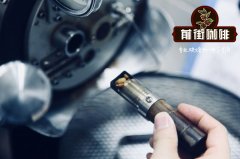
Why should coffee beans be roasted? how to choose the input temperature when roasting coffee beans?
Professional coffee knowledge exchange more information about coffee beans Please follow the coffee workshop (Wechat official account cafe_style) Coffee beans are blue-green at first, but why do they turn brown? This is inseparable from the roasting of coffee. Due to the depth of roasting, the depth of brown will be different. Coffee roasting is a science, including the age, density, hardness and moisture content of raw beans.

Coffee and its products-- terminology (2)
Pulper--mipped bean cut or scraped wet processed coffee beans, often with brown black scars. 3.20 Brown coffee beans brown bean brown-black coffee beans. 3.21 White coffee beans white bean are simply called white beans, that is, coffee beans with a white surface. 3.22 Amber beans amber bean yellow coffee beans
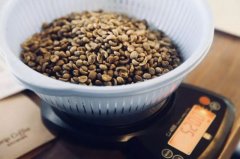
Flavor and characteristics of Golden Mantenin Wet planing-detailed steps of Mantenin Coffee Bean Wet planing
Professional coffee knowledge exchange more coffee bean information please follow the coffee workshop (Wechat official account cafe_style) herbal medicine, strong sweet, solid and mellow taste. This is the aroma peculiar to Huang Kingman. However, I found that many people like Manning, but most people don't know Huang Kingman and him.

Drink the same amount of water to keep your skin moist after drinking coffee
It is certainly not enough to rely on the morning and evening moisturizing work twice a day to cope with the hot and dry climate in summer. This will provide you with 24-hour skin moisturizing tips, all-weather nourishing skin and body, moisturizing homework watertight!
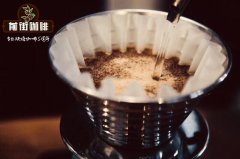
Indonesian coffee grade-
Professional coffee knowledge exchange more coffee bean information please follow the coffee workshop (Wechat official account cafe_style) Republic of Indonesia (Indonesian: Republik Indonesia, English: Republic of Indonesia), referred to as Indonesia (Indonesia). It is a Southeast Asian country with Jakarta as its capital. With countries such as Papua New Guinea, East Timor and Malaysia
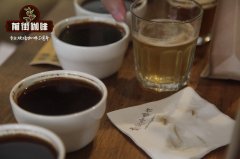
How about spruce red fruit manning? is spruce red fruit coffee good? what does spruce red fruit mean?
Professional coffee knowledge exchange more coffee bean information please follow the coffee workshop (Wechat official account cafe_style) Mandheling spruce red fruit Mantenin country: Indonesia Indonesia production area: Tawa Lake Lake Tawar varieties: Arabica Mantning Arabica Mandheling treatment: wet planing Wet Huling altitude: 1350-1500m flavor: red

The main components of raw beans are new beans and old beans.
After dry and wet processing, coffee fruit becomes coffee raw bean (Raw bean/Green bean). The main components of raw beans are: carbohydrates, about 49%; moisture, about 12%; protein. About 11%; chlorogenic acid, about 7.6% alkaloids and trace elements, about 0.4%. According to the length of time, raw beans can be divided into: seasonal beans (Current Cro)
A brief introduction to the ratio of powder to water in the skill of flushing hand in Sidamo.
Professional coffee knowledge exchange more coffee bean information please follow the coffee workshop (Wechat official account cafe_style) front street Ethiopia-Sidamo Sakuran brewing sharing sun treatment is very exquisite. The sugar content of cherry must reach 30 degrees before they can meet the picking standard and can be treated in the sun. The first two days of the sun are very important. The humidity of cherry must be kept at a certain value.

Coffee raw beans: the difference between new beans and old beans
Coffee raw beans: the coffee fruits of new beans and old beans are processed by dry and wet methods, and then become coffee raw beans (Raw bean/Green bean). The main components of raw beans are: carbohydrates, about 49%; moisture, about 12%; protein. About 11%; chlorogenic acid, about 7.6% alkaloids and trace elements, about 0.4%. According to the length of time, raw beans can be specific.

What are the characteristics of ginger fragrance? How to distinguish the authentic ginger flower fragrant old fir single fir oolong tea?
According to the drastic change of water score in Fenghuang Dancong oolong tea, the aroma and taste of the tea will also change greatly. In particular, Fenghuang Shan Cong is easily affected by the moisture contained in tea. If the moisture content is low, the fragrance will become weaker, unlike the same tea. Feng
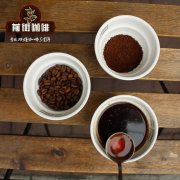
What is the planting environment of Mantenin G1 in Sumatra, Indonesia? What are the characteristics of Manning coffee?
What is the planting environment of Mantenin G1 in Sumatra, Indonesia? What are the characteristics of coffee? Country: Indonesia production area: Lindong Sumatra Grade: G1 three times hand-selected altitude: 900-1600m treatment: traditional stripping method varieties: Typica iron card Mantenin refers to north-central Sumatra around Lake Toba, southwest coast elevation 9-1200 meters above sea level, Lindong Mountain area (Lintong

Brief introduction of planting Market Price of Superior Coffee Bean varieties of Sidamo Guji in Dharma, Essex
In order to prevent sudden rain at night, it will be wrapped in thick plastic sheeting. In this way, the red fruit is fermented and dehydrated at a lower temperature. After 18 days of sun treatment, when the moisture content of raw coffee beans decreased to about 13%, stop the sun treatment, put them in sacks, put them into the warehouse under the natural conditions of 12-22 degrees Celsius and 40-50% humidity, raise raw beans for about 50 days and further remove them.
Boutique coffee beans common sense how to distinguish between new beans and old beans
After dry and wet processing, coffee fruit becomes coffee raw bean (Raw bean/Green bean). The main components of raw beans are: carbohydrates, about 49%; moisture, about 12%; protein. About 11%; chlorogenic acid, about 7.6% alkaloids and trace elements, about 0.4%. According to the length of time, raw beans can be divided into: seasonal beans (Current Cro)
Fine coffee learn the difference between new beans and old beans of raw coffee
After dry and wet processing, coffee fruit becomes coffee raw bean (Raw bean/Green bean). The main components of raw beans are: carbohydrates, about 49%; moisture, about 12%; protein. About 11%; chlorogenic acid, about 7.6% alkaloids and trace elements, about 0.4%. According to the length of time, raw beans can be divided into: seasonal beans (Current Cro)
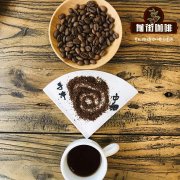
Advantages and disadvantages of sun treatment method, water washing method and semi-washing method
Professional coffee knowledge exchange more coffee bean information Please pay attention to the coffee workshop (Wechat official account cafe_style) washing treatment will remove the sticky pulp from the coffee beans before drying, so as to ensure that the drying process will not over-ferment or produce more mold, the cost of washing is higher than the sun treatment. The first step is to pour the coffee into the sink after picking and cook.
Coffee training knowledge: coffee raw beans: the difference between new beans and old beans
Coffee raw beans: the difference between new beans and old beans. After dry and wet processing, coffee fruit becomes coffee raw bean (Raw bean/Green bean). The main components of raw beans are: carbohydrates, about 49%; moisture, about 12%; protein. About 11%; chlorogenic acid, about 7.6% alkaloids and trace elements, about 0.4%. According to the length of time, raw beans can have

Introduction to the Fine Coffee Kona Coffee Flavor Manor
Kona coffee is suitable for the right geographical location and climate. Coffee trees grow on the slopes of volcanoes, and their geographical location ensures the altitude needed for coffee to grow; the dark volcanic ash soil provides the necessary minerals for coffee. This is probably due to the fact that Kona Island is rich in volcanic black mud with moderate acidity, rich mineral content and suitable water content. And every day
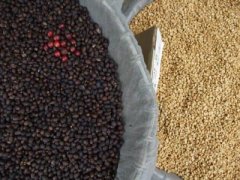
Essex Damo Sunshine Huakui 6.0 hand impact grindability ratio Water temperature introduction to the story characteristics of Guji boutique coffee beans
Professional barista exchanges please follow the coffee workshop (Wechat official account cafe_style) award-winning cup flavor test: passion fruit, rose flavor, strawberry jam, sweet and sour berries, peach pulp, black tea tail rhyme 2016 / 2017 EthiopiaNationalTaste
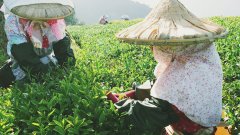
Classification of common tea characteristics and processing methods of tea production
A brief introduction to the tea processing process due to the differences in the production and processing procedures and the quality characteristics of tea after the tea processing process, it can be divided into two systems: (1) according to the degree of tea fermentation and oxidation in the tea processing process: unfermented tea, partially fermented tea and fully fermented tea. (2) according to the appearance and color of tea products, it can be divided into green tea, yellow tea, white tea, green tea, black tea and black tea.